

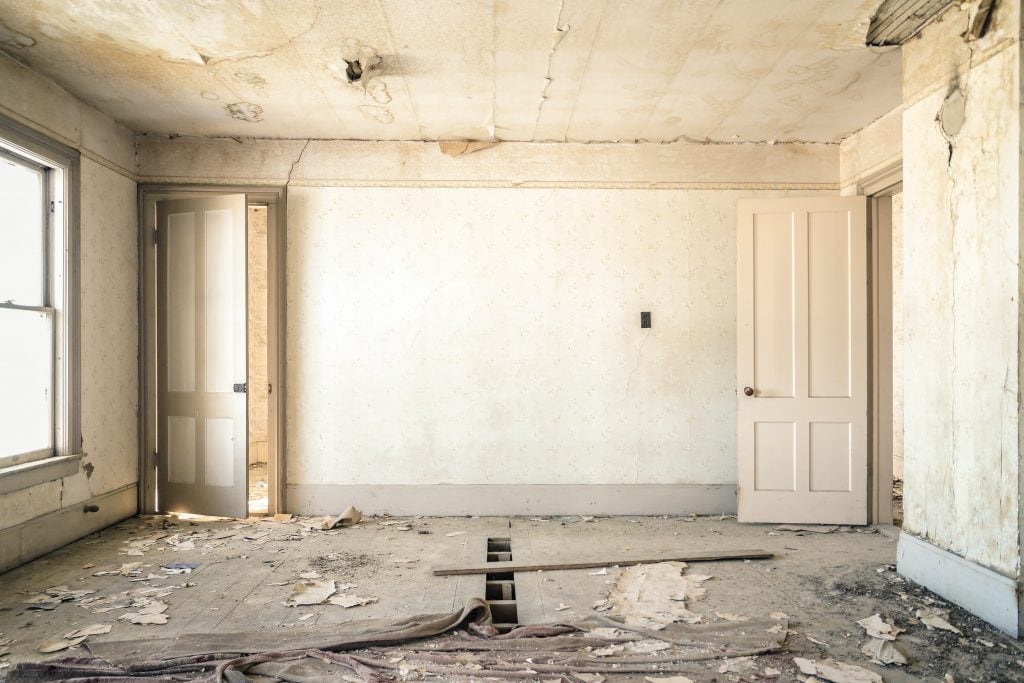
After years of saving up money, it's not always a good idea to purchase an older home in the hopes of eventually renovating it. Having the goal of renovating the house on a limited budget while keeping in mind the costs associated with each area of the house and avoiding cost overruns.
I'm going to share everything I know about how my family and I renovated a house in Australia on a shoestring budget and without the assistance of any tradies or professionals. We are not builders or carpenters, and we have never renovated a house before, so we had to learn all of the technical aspects as we went along. While we were both working full-time jobs, we made time on the weekends to make progress on our home.
Continue reading this article if you want to learn how to renovate a house on your own. In addition to that, I have included some cool before-and-after photos of house renovations.
Renovating your home to make it a luxurious space that is also comfortable and stylish can be quite an expensive endeavour. Consequently, having general knowledge of how to renovate a house is not sufficient to ensure financial success during the home improvement process when working within a restricted budget. If you want to keep your spending within the parameters of your budget, there are a number of considerations you need to give careful attention to. Here is where one can put their ingenuity and resourcefulness to good use. Let's take a look at some of the advice that will make the process of renovating your home simpler.
Are you interested in home renovations in Melbourne? No need to look any further! You have nothing to worry about when you hire Hitch Property Constructions.
Cheap Remodeling Ideas
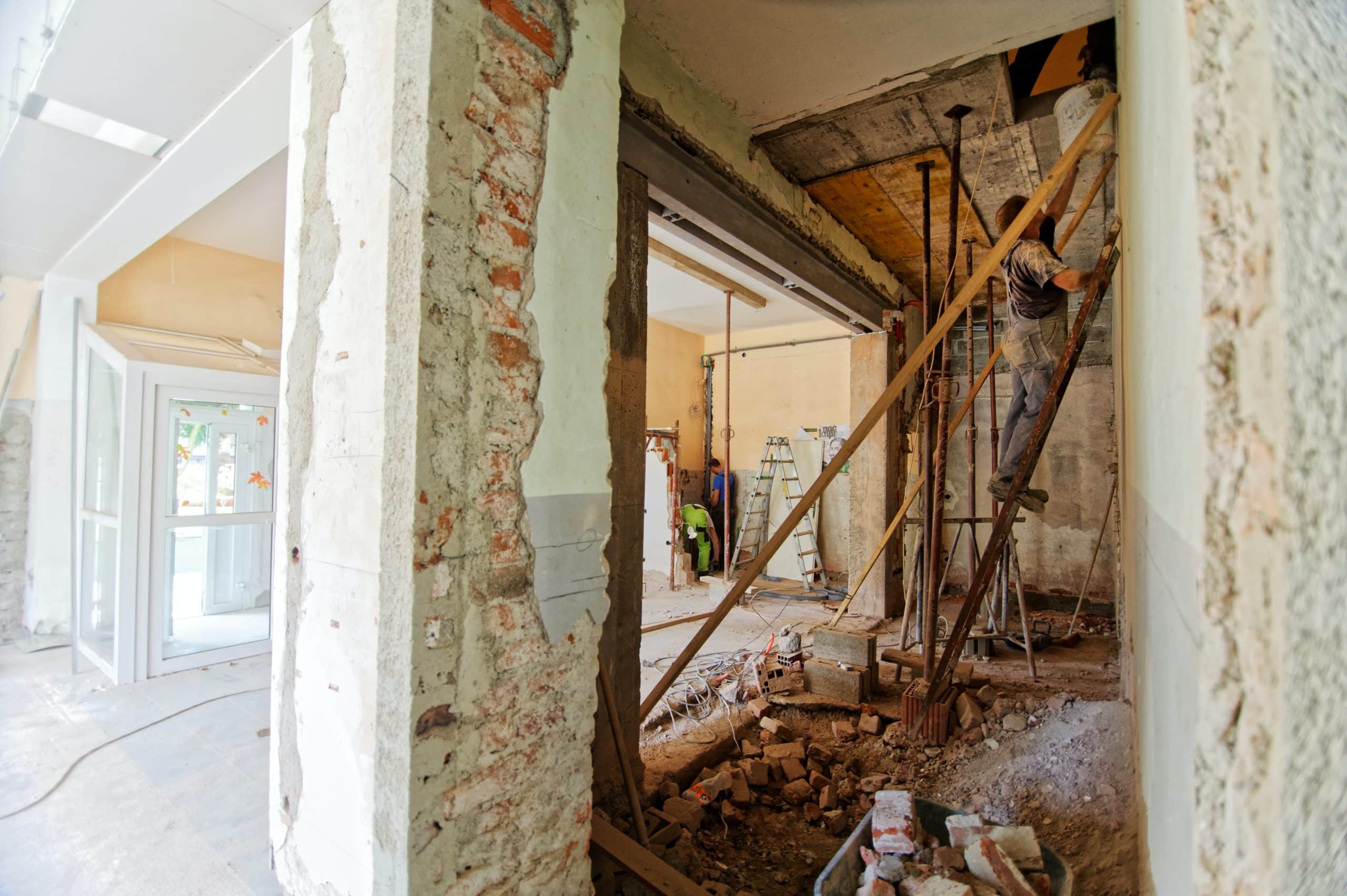
It is not necessary that you spend a lot of money to renovate or remodel your home. There are a lot of different ways in which you can fix up your house without having to spend a lot of money, and this is true whether you are trying to modernise and remodel a house in order to get it ready to sell or in order to make it a more comfortable place for you to live. Because of these changes,
- Make your home a more pleasant and relaxing place to spend time,
- contribute to an increase in the asset's market value,
- Improve its appearance so that it will impress your visitors more.
- and let you enjoy your house to its fullest extent.
Remodelling and Renovating on a Budget
Home improvement projects like remodelling and renovation don't have to break the bank. Here are a few ideas for how you can remodel your home without completely emptying your savings account.
- Make adjustments that will have a significant bearing.
- putting emphasis on seemingly insignificant factors that can have a significant impact.
- Take care of it yourself.
- Dealing in commerce and bartering for labour
- Borrow or rent equipment instead.
- Do some comparison shopping to find the best deal.
- When you go shopping, keep in mind the things you require.
- Spend your money on used items.
- Think outside the box.
You can improve the aesthetic appeal and functionality of your home while cutting a significant amount of costs if you follow the advice that has been provided.
Clean Up
It is recommended that you put everything back where it belongs and clean the place before attempting to make any changes in the house. Your location will almost immediately have an improved appearance. When you clean, you get the opportunity to see how things are arranged, which gives you the chance to think of ways to rearrange the furniture or select a better location for storing belongings so that it is more effective or aesthetically pleasing.
When you get rid of clutter, space will be freed up, and the rooms will appear to be larger than they were when they were crammed with things.
You might find that moving things from one room to another helps clear up space and makes your home more functional without requiring you to spend a single dime on new furnishings or renovations.
Make Big-Impact Changes First
You should think about making the changes that have the greatest impact first if you want to save money. These are the things that will give you the most return for your investment. Things like the colour of the paint, the flooring, the lighting, the arrangement of the furniture and appliances, and whether or not they exist. A home can be brought up to date, brightened, and improved with the application of a new coat of paint in a short amount of time and at a low cost.
Then, if there is money left over in the budget, you can make the adjustments that will improve the appearance of the home in a more understated manner.
Smaller Changes That Can Have a Big Impact
In addition to thinking on a grand scale, you should also consider the smallest details. There are some relatively minor adjustments that can be made that will have a significant influence on the situation.
- The appearance of the kitchen can be altered, for instance, without the need to replace the cabinets themselves if only the hardware on the cabinets is changed.
- It's possible that painting just the trim instead of the entire house will be sufficient for you, depending on the circumstances.
- It's possible that installing a drawer organiser will eliminate the need for an additional drawer in your workspace.
- Depending on the amount of time and material that would be required to repair certain things, opting to repair them rather than replace them could save money and help avoid potential headaches.
- Without doing any kind of renovation at all, you can give a room an entirely new appearance by simply switching out the carpet or towels in the bathroom or the bedspread and curtains in the bedroom.
Have a look at our selection of home renovations available in Melbourne for your ideal home.
Do It Yourself
It is recommended that you carry out as many of the tasks as you are able to on your own in order to cut costs and save the most money possible. If you have the knowledge and experience necessary to complete a task, it will be more cost-effective for you to complete the task yourself rather than hiring someone else to do it. There is a possibility that you could learn some additional skills by reading some books or articles, watching some videos on YouTube, or watching some videos on YouTube.
It goes without saying that you need to exercise extreme caution so that you do not cause any damage that will require more expensive repairs. It's possible that some tasks will turn out to be significantly more difficult or time-consuming than you anticipated. You will be able to improve both your self-assurance and your level of skill over time if you take things slowly and begin with repairs that are simple and straightforward.
Trade and Barter for Labor
If you have friends who possess skills that you do not, you might be able to engage in skill trading with them by offering their friends your own skills in exchange. It is important to keep in mind that the trade in question need not be related to remodelling. During the time that they are putting in light fixtures, for instance, you could prepare food, watch children, or run errands.
Borrow or Rent Instead of Buying
You might be able to find a tool lending library or a place that rents tools in the city if you are looking for some large tools to help you finish the job. Because you will only require the tool for a limited amount of time, you won't have to worry about the expense of purchasing it or finding a place to keep it.
Shop Around for the Best Price
The vast majority of people are aware that prices can vary greatly from one item to another, and as a result, they frequently shop around for essential household items. They are also aware that they should get three different estimates in order to ensure that they are receiving quality service at prices that are reasonable.
They might occasionally forget to look around for better prices on the material. Make sure that you check the prices at a variety of stores as well as online. It is possible that you will discover that it is more cost effective to purchase the item when it is on sale at a store and then pay someone else to instal it for you rather than doing the installation yourself. You will have the ability to choose the specific item that you want to have in your house if you proceed in this manner.
Realize as well that there is no need to purchase the most up-to-date and innovative product available because the majority of the items that you instal in your home during a renovation or rehab project will remain there for a considerable amount of time. In a couple of years, the vast majority of people will be unable to tell whether the item you purchased was from the year 2012 or 2013. You can easily buy something on clearance (provided that the condition, quality, and features are all good), and you can save a significant amount of money without anyone being the wiser about it.
Don't Buy What You Don't Need.
A great number of items come equipped with a variety of unique components. There are times when you can cut costs by forgoing the purchase of those features. For instance, I just recently changed out the opener for the garage door. As a result of my research, I decided on a particular brand and model that would be most suitable for my needs. Despite this, I found a significant difference in price for the identical item and realised that it was being marketed and sold in two distinct ways. One of them came with the keypad that was mounted on the wall outside the door, while the other one did not. I came to the conclusion that I did not require the keypad, which enabled me to save myself $60 on the cost of the opener.
Hitch Property Constructions offers the widest variety of residential remodelling services available, which can assist you in realising your ideal home.
How to Renovate Your House on a Budget These Days

Painting of the Exterior and Interior
Even while painting may not be at the top of your list of priorities, doing so will significantly alter how guests perceive your house. If the home is made of weatherboards, you just need to paint the exterior surfaces a few times. Using the rendering principle, a brick house may be made to look great and alluring without spending a lot of money. The most efficient and economical approach for enhancing a home's attractiveness continues to be rendering. If you want to spend less money, you might choose to paint the room on your own. Painting your house is a simple task that only needs a basic understanding of how to apply a coat. Visit housetipster.com to discover how to paint your house if you don't have much painting experience. Once you have some knowledge, you'll be prepared to work on your house and be able to give it a lovely, individual look.
Invest in a New Front Door
Hire a qualified home builder to make the door renovations. If you'd prefer to, you can also choose to paint the door. On the other hand, remodelling it will leave a good impression on both your family and your visitors. Additionally, if you choose to sell your house, its value will rise. You should use a tailored or customised model that is furnished with artificial wood due to your limited financial resources. Using high-quality timber can increase a house's lifetime.
Demolish on Your Own
Even though demolishing the property may be less expensive as renovating it, you could still save money and decrease costs by carrying out the task yourself. However, you must practise appropriate self-care in order to guard against unnecessary injuries. When it comes to the inside, it is advised that you hire a contractor; however, when it comes to the deck, it is typically prefered that you perform the demo yourself. You should start at the front entryway of the house now that your home has been properly cleaned. The process then moves on to renovation. But where exactly should you start if you want the procedure to proceed more easily? The entrance door is, as one might anticipate, the initial area of concern.
Switch to the Kitchen Tiles
The first thing that should be your main priority when remodelling your kitchen is choosing tiles or changing the kitchen worktop. The easiest approach to prevent having to clean it too much is to choose a smart worktop that is effective and always clean. Lamination is an alternative that can be employed to produce the worktop because it only prices only few dollars more. The appearance of luxury and the idea that the home was built with the most costly materials can be projected by laminated tiles. Position your windows such that they are close to the kitchen in order to keep a pleasant energy in the room.
Replace the Rug
It will be possible for you to save money while still giving your home a lively and comfortable ambience if you get a rug that can be customised. A rug made from the finest materials and designs is another option available to you. The best colour would be one that complements the paintwork on your home, but you are free to select any colour you wish. Keep your garden in mind m maintaining your garden and backyard with enough time and effort may make a big difference in your home's overall aesthetic appeal. You must now submit an application for the do-it-yourself option. You should start by cutting the lawns, trimming some tree branches near your house, and doing some proper weeding. After a short while, you'll notice that your house looks very excellent. You're probably wondering, "Since when did sweeping the pathway constitute a do-it-yourself house renovation?" at this moment. Whatever your opinion, the truth is that spending a few days, or even three, working in your garden can undoubtedly make your property appear more inviting to both you and possible purchasers.
Improved Lighting
Verify that the "light continuum" your lights create is appropriate for the surroundings. You prefer mellow lights that produce a yellow or red tint in "hanging out" areas like the living room. The kitchen and the dining room are two examples of these zones. You want light bulbs which emit blue tones rather than yellow ones in "study" areas, like your office or library.
Replace any outdated window coverings with new ones. In your home, wooden blinds would be more aesthetically pleasing than most one-inch vinyl panels. One benefit is that it will be harder to destroy them even if you've got kids or pets living with you.
Suspend more mirrors. The more mirrors that are mounted on the walls, the more light that comes into the house. If you can install mirrors within the same room, place them on opposite sides of the room to give the illusion that the room is bigger. Even higher beyond the usual person's line of sight, as over a mantle, you can suspend them there.
Tidy Up and Decorate
Move your furniture around. You might manage without acquiring any new furniture. Giving a living area new shapes and altering its flow can significantly increase the transformation of the space. Reorganizing still doesn't satisfy you? Another element that can add to the overall theme of your house is furniture that has been simply decorated with slipcovers or fabric to add a fresh colour or pattern.
Is there something missing from your home? Add a more intimate feel to the space by adorning the walls with photographs or artwork. Altering the frames of the pictures and artwork you already own is an option that will save you even more money.
You can make a new bed set and pillow covers out of used bits of clothing or fabric if you have some sewing skills and are crafty. A blanket can also be knitted by you. You don't have any that are of sufficient quality? Hunt for fabric at yard sales.
Invest in a few smaller pieces of decor to help you fill the space. A brand-new book for display, for instance, or a set of artsy coasters or miniature lanterns are some examples. Put plants both inside and outside the house. If you have plants but are rooted in low-quality plastic pots, consider replacing them with more attractive ceramic containers. Are you in a creative mood right now? Coat the pots in paint. These are examples of last touches that have the potential to lend a contemporary air to a room.
Getting rid of items that aren't needed can make a room feel a lot more inviting, and anything that you sell or donate can be used for other people.
Surfaces and Fixtures
On appliances, you should use contact paper that has a peel-and-stick backing and a stainless steel finish. This will help you achieve the contemporary appearance you've been going for without the exorbitant cost. Your home appliance will have the appearance of stainless steel at a fraction of the cost of the genuine article. There will be no one who can tell the difference.
Replace the switchplate covers, also known as the covers that are found on light switches and electrical outlets, with new ones. Major retailers of home improvement products typically sell standard white covers for a price of about one dollar each, and putting them on is a breeze. Your previous cover, which had begun to yellow over time, will be replaced by a much nicer-looking new cover that is clean and white. Try using covers made of stainless steel for a more modern look in the kitchen. You can also look for covers with patterns and embellishments on the internet.
Replace the doorknobs, door handles, and hinges in your home. These are simple finishing touches that can be installed in a short amount of time and at a low cost, but they make a significant difference. Along the same lines, you can also get new hardware for the cabinets in your house if you want to give them a facelift.
Change your lampshades. This is a seemingly insignificant point that actually has the potential to make a significant impact on the outcome. If you start making even minor adjustments like this, you should give some thought to a central concept around which you can construct the rest of the changes, so that your home appears well put together.
Crown moulding, baseboard trim, and doorway trim should all be installed. Crown moulding, in particular, plays a significant role in elevating the overall appearance of a home's level of sophistication. Depending on the size of your spending limit, you have the option of dressing up a space with wood trim or adding an additional dose of personality by painting over white trim.
Your furnace and ventilation shafts should both be cleaned and tuned up. Taking care of these components will not result in a noticeable improvement to the appearance of your home, but it will improve its overall functionality.
Burning candles or incense, or using an air freshener, will make the room smell better. A fresh aroma can help you appreciate the sensation of being in a more pleasant environment.
Last but not least, the rugs in your kitchen and bathrooms, as well as the runner in your hallway, and your doormat, are all good candidates for replacement. You might even consider getting a new bathroom set or switching to a new shower curtain. Imagine that you have nothing with you when you move into your new home for the first time. What aspects would you alter?
FAQs About Home Renovation
The answer is yes; taking out an additional loan on top of your existing mortgage is a common and commonplace way to finance significant home improvements such as remodelling a portion of your home, adding a loft conversion, or installing a new kitchen.
You are permitted to borrow up to 80 percent of the property's current value. This encompasses less significant renovations, such as updating the kitchen, bathroom, or laundry room, or replacing floorboards.
You are eligible for a line of credit loan if you have at least 20 percent equity in your home and are planning to perform cosmetic renovations such as fixing up the kitchen or bathroom or repainting the walls. Eighty percent of your loan-to-value ratio is the maximum amount that you are permitted to borrow.
Due to the fact that spring and summer are the busiest seasons for home renovations, the fundamental law of supply and demand suggests that it is highly practical to undertake some home renovations during the winter. Take into consideration the following advantages of tackling a project to improve your home during the winter: improved access to available contractors
If you are looking for a real fixer-upper, the price that you pay will likely be lower than what you would pay for a brand new home. In addition, if you perform the renovations on your own, not only will you be able to save thousands of dollars over the course of the project, but you will also end up with an excellent investment.
Conclusion
There are a number of considerations you need to keep within the parameters of your home improvement budget. It is not necessary to spend a lot of money to modernise or remodel your home. Are you interested in home renovations in Melbourne? You have nothing to worry about when you hire Hitch Property Constructions.
Make big-impact changes first if you want to make the changes that have the greatest impact first. Spend your money on used items. Then, if there is money left over in the budget, you can make the adjustments that will improve the appearance of the home in a more understated manner. Without doing any kind of renovation at all, you can give a room an entirely new appearance by simply changing the carpet or towels in the bathroom or the bedspread and curtains in the bedroom. Have a look at our selection of home renovations available in Melbourne for your ideal home. Shop Around for the Best Price: Make sure that you check the prices at a variety of stores as well as online.
Don't buy what you don't need: You can easily buy something on clearance and save a significant amount of money. Hitch Property Constructions offers the widest variety of residential remodelling services available, which can assist you in realising your ideal home. The most efficient and economical approach for enhancing a home's attractiveness continues to be rendering. If you want to spend less money, you might choose to paint the room on your own. You should use a tailored or customised model that is furnished with artificial wood due to your limited financial resources.
The appearance of luxury and the idea that the home was built with the most costly materials can be projected by laminated tiles or smart worktops. If you choose to sell your house, its value will rise as its prices will increase. Additionally, if you choose to sell your house, its value will rise. Maintaining your garden and backyard with enough time and effort may make a big difference in your home's overall aesthetic appeal. A rug made from the finest materials and designs is another option available to you.
You can save money while still giving your home a lively and comfortable ambience if you get a rug that can be customised. The best colour would be one that complements the paint work, but you are free to select any colour you wish. You can make a new bed set and pillow covers out of used clothing or fabric. Altering the frames of the pictures and artwork you already own is an option that will save you money. Invest in a few smaller pieces of decor to help you fill the space.
If you have plants but are rooted in low-quality plastic pots, consider replacing them with more attractive ceramic containers. Replace the doorknobs, door handles, and hinges in your home. These are simple finishing touches that can be installed in a short amount of time. Along the same lines, you can also get new hardware for the cabinets in your house if you want to give them a facelift. Burning candles or using an air freshener will make the room smell better.
Content Summary
- If there is money left over in the budget, you can make the adjustments that will improve the appearance of the home in a more understated manner.
- If you have friends who possess skills that you do not, you might be able to engage in skill trading with them by offering their friends your own skills in exchange.
- Realize as well that there is no need to purchase the most up-to-date and innovative product available because the majority of the items that you instal in your home during a renovation or rehab project will remain there for a considerable amount of time.
- A great number of items come equipped with a variety of unique components.
- Visit housetipster.com to discover how to paint your house if you don't have much painting experience.
- Hire a qualified home builder to make the door renovations.
- The first thing that should be your main priority when remodelling your kitchen is choosing tiles or changing the kitchen worktop.
- Keep your garden in mind maintaining your garden and backyard with enough time and effort may make a big difference in your home's overall aesthetic appeal.
- Add a more intimate feel to the space by adorning the walls with photographs or artwork.
- Invest in a few smaller pieces of decor to help you fill the space.
- Replace the switchplate covers, also known as the covers that are found on light switches and electrical outlets, with new ones.
- Replace the doorknobs, door handles, and hinges in your home.
- Change your lampshades.
- Crown moulding, baseboard trim, and doorway trim should all be installed.
- Your furnace and ventilation shafts should both be cleaned and tuned up.
- Burning candles or incense, or using an air freshener, will make the room smell better.
