

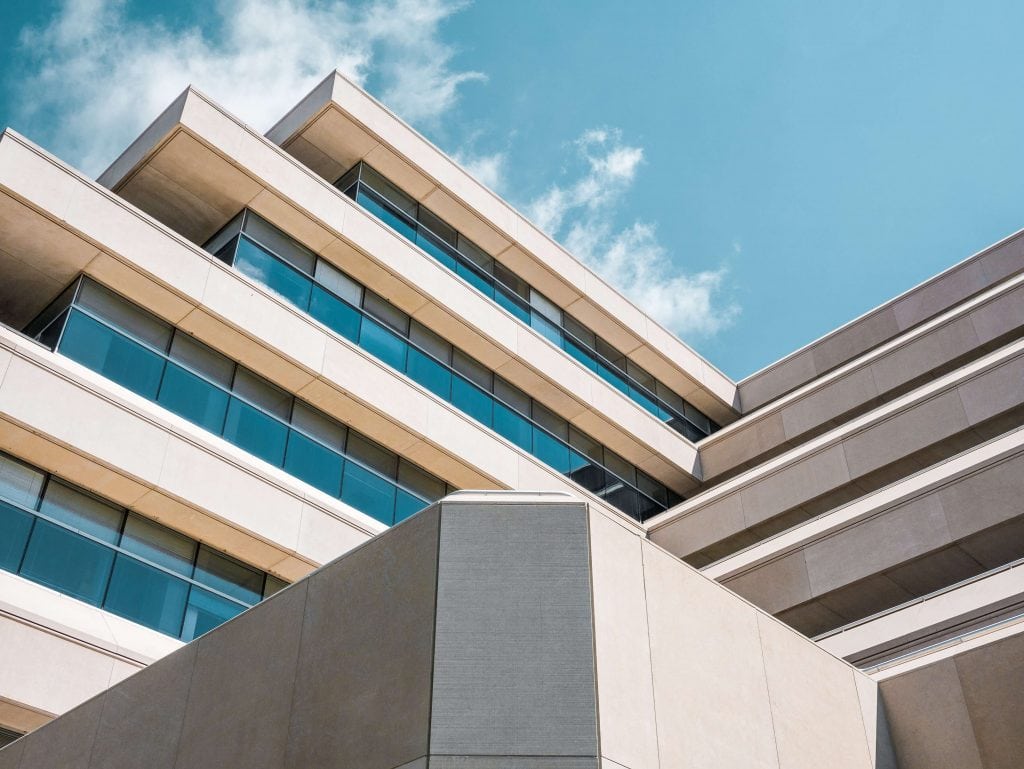
The term "building maintenance" refers to any and all activities that are required to keep a structure operational and habitable. For the upkeep of a single structure, a skilled crew consisting of multiple individuals with various maintenance specialisations, such as electrical, plumbing, and HVAC, is required.
Because a building can rapidly deteriorate into an unwelcoming environment in which to work and live if it does not receive routine maintenance services, maintenance technicians are an extremely valuable resource. We'll break down everything you need to know about building maintenance, whether you want to become a maintenance technician yourself one day or you're just curious about what goes into building maintenance in general.
We have a wide range of property maintenance Melbourne services at Hitch Property Constructions.
What is Building Maintenance?
Maintenance of buildings and other assets keeps them in good working order and good aesthetic condition. A building's upkeep should cover all of its components, from the framework to the wiring to the plumbing. Constructing and maintaining a building is becoming increasingly difficult. There is no one available to serve as a caregiver or handyman.
The necessary expertise, knowledge, and technology are essential for managing building premises, meeting property and building compliance standards, and increasing efficiency. If you decide to hire a facility management firm, they will be responsible for overseeing the upkeep of your building and its surrounding grounds. The duties change from structure to structure.
In addition to ensuring the structural integrity, safety, and legal compliance of a structure, regular care can prevent decay. When buildings aren't maintained properly, they deteriorate, lose efficiency, and pose a threat to people's health and safety.
Tenants benefit from a safe and pleasant living space made possible by regular building upkeep. Bathroom cleaning, electrical system upkeep, landscaping, and lawn care are all part of regular property maintenance.

Preventative Building Maintenance Isn't Just for Your Building's Interior.
Winter's exterior damage is one of its biggest challenges. Rain and snow can damage your building's exterior and make it difficult to spot and fix problems, allowing them to grow into larger, more expensive fixes. When weather permits, inspect fences, gates, gutters, siding, and roofs. Check landscaping for proper operation and maintenance.
Summer is an Ideal Time to Address Your Carpets and Floors
Summer's warmer temperatures, dryer weather, and reduced traffic are ideal for deep floor and carpet cleaning. Whittaker System low-moisture carpet cleaning Carpet cleaning requires little downtime. Truck-mounted hot water extraction carpet cleaning can remove soils, bio-pollutants, grime, and allergens that wear carpet, degrade appearance, and lower IAQ. Your hard floors may also need TLC.
Importance of Building Maintenance
When a building is well-maintained, the people who live, work, or visit there are safe and content. Proper and regular maintenance, from a monetary and economic point of view, can aid property owners in saving money over the long run and also contribute to a rise in the property value.
Occupant Safety
Those who choose to work or live in a structure that has not been adequately maintained endanger themselves and others. Peeling paint, an uneven walkway, and poor air circulation are all examples of problems that can be avoided with regular care. Upkeep must be a priority.
Organizations like the Occupational Health and Safety Administration (OSHA) and the National Fire Protection Association (NFPA) have produced safety codes to guarantee this. In order to avoid common health issues and unsafe working and living conditions, it is important to follow these rules and perform regular general safety maintenance.
Saves Money
Prevention is usually more cost-effective than treatment, which is why building maintenance services are so important. Repairing or replacing a major system in an emergency will cost more than keeping it in good working order with regular preventative maintenance. Budgeting for routine maintenance of the building's systems is far less complicated than budgeting for emergency repairs or replacement.
A maintenance service team's contributions to a property's value and long-term financial viability are two sides of the same coin. More money may be made from the sale, lease, or rental of space in a building if it were kept up to code and maintained properly.
The People Who Made It All Possible
There is a team of highly-skilled maintenance technicians working behind the scenes of every well-maintained building. A skilled technician is knowledgeable in multiple fields, such as plumbing, electrical work, and heating, ventilation, and air conditioning (HVAC), and is also proactive, versatile, and attentive to detail.
Maintenance technicians are responsible for a wide array of jobs, thus becoming a proficient technician requires substantial training. This article should address any questions you have about entering a career as a maintenance technician.
Importance of Building Maintenance
It is essential to maintain a building because doing so ensures the occupants of that building, be they residents or employees, are kept safe and comfortable at all times. Proper and consistent maintenance can end up saving property owners money in the long run and adding to the overall value of the asset they own, which is an important consideration for any business.
Keeps occupants safe
Those who work or live in a building that is not properly maintained can put themselves in danger. Constant maintenance helps to avoid dangerous conditions, such as peeling paint, an unstable walkway, or insufficient air circulation. This is true whether the problem is with the walkway, the paint, or both.
The Occupational Health and Safety Administration (OSHA) and the National Fire Protection Association both contributed to the development of security codes in order to guarantee this (NFPA). By adhering to these codes and completing general safekeeping procedures on a continuing basis, significant health risks as well as unsafe working and living environments can be avoided.
End up saving money
Maintenance services are essential for buildings for a number of reasons, one of which is that prevention is generally more cost-effective than treatment. It would be more expensive to perform an immediate repair or replacement on a large network than to perform routine maintenance on an ongoing basis. When it comes to the unpredictable costs of repairing or replacing building infrastructure, it is typically much simpler to establish a budget for the building's routine maintenance.
Not only can hiring a maintenance service team help save money over the course of time, but it can also contribute to the overall value of the home. More potential buyers will be interested in purchasing, renting, or leasing space in a building that is well-maintained and up to code. This could result in an increase in the number of sales opportunities.
The objectives of building maintenance works are:
- Maintenance of equipment, structures and facilities in good working order
- Restoring it to original quality
- Upgrading the facilities according to the progress of the building technologies.
All the buildings deteriorate from the moment they are finished. Degradation intensity depends upon a variety of factors. The building's inhabitants can't control all the variables.
The following points shall be kept in mind during the design and development stages:
Building Maintenance: Design and development stages
- Proper choice of materials for the building
- Choosing appropriate construction techniques
- Adequate construction and installation specifications
- Effective monitoring during construction and rectification of defects before final certification.
- Provision of sufficient space for properly designed landscaping
Depending on the construction, the building must be maintained for 3 to 6 months after completion due to teething problems. These will reduce maintenance stress. Design and construction defects increase maintenance costs and reduce building life. Building maintenance aims to keep the building and services usable efficiently and economically. Occupancy and efficiency affect the skills needed. Building maintenance requires skilful planning. Maintenance suggestions can also optimise design and development.
What's the Difference Between a Building Maintenance Plan & a Commercial Handyman Service?
Building maintenance services can be broken down into three categories: onsite maintenance, multi-facility maintenance, and on-demand maintenance. It is important for you to be familiar with all three categories so that you can select the one that works best for your location.
On-Site Building Maintenance
If your building is equipped with onsite maintenance, you will have the benefit of having a staff member present at all times who is committed to ensuring that your facility is always in the best possible operating condition. It is often necessary to have this kind of maintenance in larger facilities because issues can quickly compound into larger problems in those settings, particularly with regard to mechanical and electrical systems. In addition, having a staff that is acquainted with the requirements of the larger facility is frequently the most effective way to address issues in a timely manner. This is especially true in facilities that are of a higher size.
Multi-Facility Building Maintenance
A single building service contractor is in charge of the maintenance of the facilities across all of the different locations in this type of maintenance. When addressing the various needs of the facility, you will only have to deal with a single company in this manner, which will typically result in a more efficient and cost-effective service.
On-Demand Maintenance
The term "Commercial Handyman Service" is frequently used to refer to this type of service. This kind of maintenance is typically best for facilities that may not have the budget or workload for an onsite team of technicians but still require factional service from a commercial building service provider that is familiar with their facility and the requirements it has, as this type of maintenance is often the most cost-effective option. You are able to make use of various services on an as-needed basis while still maintaining a relationship with a single provider. This ensures that your requirements are prioritised at all times.
Architects play a critical role in the construction of buildings.
Not only does architecture and architecture have an effect on the outward appearance of buildings and other physical structures, but it also has an effect on how individuals view and go about their daily lives. The attitudes of people are taken into account and formed by contemporary architecture, regardless of whether they are at home, at work, or engaging in leisure activities. In this regard, contemporary architecture is increasingly incorporating a wide variety of materials, each of which possesses different and distinctive qualities, in order to create environments that are conducive to the behaviours that are intended as well as those that occur naturally.
Therefore, architects are responsible for the creation of spaces that enable people to carry out daily activities as well as a variety of social activities. Nevertheless, architects play an essential part in ensuring the ongoing maintenance of newly designed buildings, which is necessary to ensure that these physical spaces will continue to exist in the future.
Check out Hitch Property Constructions for a huge range of Melbourne property maintenance services.
Uncompromised Aesthetics Through Thoughtful Design
Building maintenance rarely inspires architectural visions and design. Iconic architectural pieces have impressive interior spaces that blend indoors and outdoors. Uncompromising aesthetics rely on vast open spaces that allow air and natural light to dominate, creating pleasant and spectacular environments. Continuous use of these buildings raises maintenance issues. Permanent ceiling and wall installations require architectural sacrifices and lack maintenance versatility. Scaffolding provides flexibility but makes cleaning, repairing, and decorating laborious and time-consuming.
By considering maintenance options during design, architects ensure completed designs are properly conserved. Architects familiar with modular maintenance technology can grant themselves design freedoms by emphasising these possibilities. Sustainable architecture must provide flexible, safe, and economically sound maintenance solutions.
FAQs About Property Maintenance
Generally, the tenant and landlord/property manager have very specific responsibilities when it comes to property repair and maintenance. The property manager/landlord is responsible for ensuring the property is in a fit condition for the tenant to live in.
Simply put, the property maintenance company handles routine work like cleaning, landscaping, and seasonal repairs, along with one-off repairs like replacing doors, fixing locks, and addressing roof leaks. Property maintenance companies usually have an agreement with the Property Manager to be on-premise certain days.
There are 4 key types of maintenance management strategies including run-to-failure maintenance, preventive maintenance, predictive maintenance, and reliability-centered maintenance. These maintenance management strategies can be used together, or independently.
A property manager instead takes care of maintenance and repairs, leasing, renovations and evictions, amongst other things. The responsibilities of a property manager include: Advertising vacancies and promoting the rental properties.
This refers to the building maintenance that is done on an ongoing and regular basis. It's simply day-to-day maintenance. For example, HVAC systems are periodically inspected.
Conclusion
Maintenance ensures the continued functionality and attractiveness of buildings and other assets. Repairs on one part of a building should extend to include all of its working parts, from the structure to the wiring to the plumbing. If you hire a facility management company, they will be in charge of ensuring that your structure receives the maintenance it needs. Hire a professional to check out your structure. Construction, masonry, stucco, wood, and washing with power tools are all summertime projects. Regular maintenance can prevent issues like peeling paint, a shaky walkway, and stale air.
Content Summary
- The term "building maintenance" refers to any and all activities that are required to keep a structure operational and habitable.
- For the upkeep of a single structure, a skilled crew consisting of multiple individuals with various maintenance specialisations, such as electrical, plumbing, and HVAC, is required.
- Because a building can rapidly deteriorate into an unwelcoming environment in which to work and live if it does not receive routine maintenance services, maintenance technicians are an extremely valuable resource.
- We'll break down everything you need to know about building maintenance, whether you want to become a maintenance technician yourself one day or you're just curious about what goes into building maintenance in general.
- Constructing and maintaining a building is becoming increasingly difficult.
- There is no one available to serve as a caregiver or handyman.
- If you decide to hire a facility management firm, they will be responsible for overseeing the upkeep of your building and its surrounding grounds.
- In addition to ensuring the structural integrity, safety, and legal compliance of a structure, regular care can prevent decay.
- Bathroom cleaning, electrical system upkeep, landscaping, and lawn care are all part of regular property maintenance.
- Winter's exterior damage is one of its biggest challenges.
- Rain and snow can damage your building's exterior and make it difficult to spot and fix problems, allowing them to grow into larger, more expensive fixes.
- Check landscaping for proper operation and maintenance.
- Summer's warmer temperatures, dryer weather, and reduced traffic are ideal for deep floor and carpet cleaning.
- Repairs and cleaning are best in the summer.
- When a building is well-maintained, the people who live, work, or visit there are safe and content.
