

You've clearly caught the DIY bug and are ready to take on the challenge of remodelling your bathroom because the new year has begun. You have everything under control, and you know you'll make the right decision when it comes to remodelling your bathroom to increase your home's worth. If you're doing this on a tighter financial rein, you'll be able to save even more money by performing the bulk of the renovation work yourself, you frugal homeowner, you. The fact that you're doing something is already valuable makes it even more so.
Thoughtfully answering a few questions before you launch will help everyone involved get off to a smoother start. And after you're done and enjoying the peace and quiet of your new (or at least improved) lavatory, you'll be glad you did it.
We are a bathroom remodelling company because we understand how much you value your property and want to give it a facelift that will also make it more practical for you. Our in-house design team will work with you to create a space throughout your remodel that is both beautiful and functional, increasing the resale value of your home. Here are some things to consider before beginning a bathroom renovation. At Hitch Property Constructions, we offer a wide range of bathroom renovation Melbourne.
What's your mould protection plan?
There are many methods for mold-proofing a bathroom, but whichever one you choose, it's important to have all of the equipment you'll need on hand before you begin. The next step in renovating your bathroom is to strip it down to its bare essentials and start from scratch. Bathrooms are notorious for harbouring mould, so it's important to know what preventative measures you can take. Some varieties of drywall, such blue board, are resistant to mould growth at the expense of only a few dollars more than standard drywall.
Don't forget the fan.
At first glance, this may not seem like a major concern, but think about how much moisture is generated daily in your bathroom, but has nowhere to go. You must instal a fan in your bathroom if you care about the purity of the air there and about the prevention of mould growth. Which should you choose, though? The total cost of the job will be less if you go for a fan and light that are not integrated, but replacing either will be more of a hassle. Investing in a fan that can both circulate air and produce breeze will set you back more money, but it will be the most practical choice.
What kind of budget do you need for professional services?
You may handle a lot of the work in remodelling your bathroom on your own, but if you want to do anything to the plumbing or electricity, you should really call in the pros. During a renovation, you can assess how well your current bathroom serves your needs, move outlets so they are easier to reach, and replace old, inefficient plumbing fixtures with modern, more energy-efficient ones.
Does the layout of the bathroom work for you?
A bathroom remodel that doesn't involve major work to the room's framework could be easier than you think. A simple option that might be considered is to get rid of the linen closet and put in new cabinets in its place. It's a big change, but unlike switching to plumb, it won't break the bank.
And since we're being practical about the bathroom's purpose, let's not overlook the location of the toilet paper holder. Bathroom traffic flow planning will help you avoid any unwelcome surprises down the road.
Do you have what it takes to do a tiled shower?
If you are considering about replacing your drop-in shower with a tiled one, you will need to do some homework. Waterproofing a shower with subtle tiles is difficult since the tiles have a tendency to collect water. There are a lot of moving parts, so it's important to do your homework and get organised.
Do you want to spend the money on a shower door?
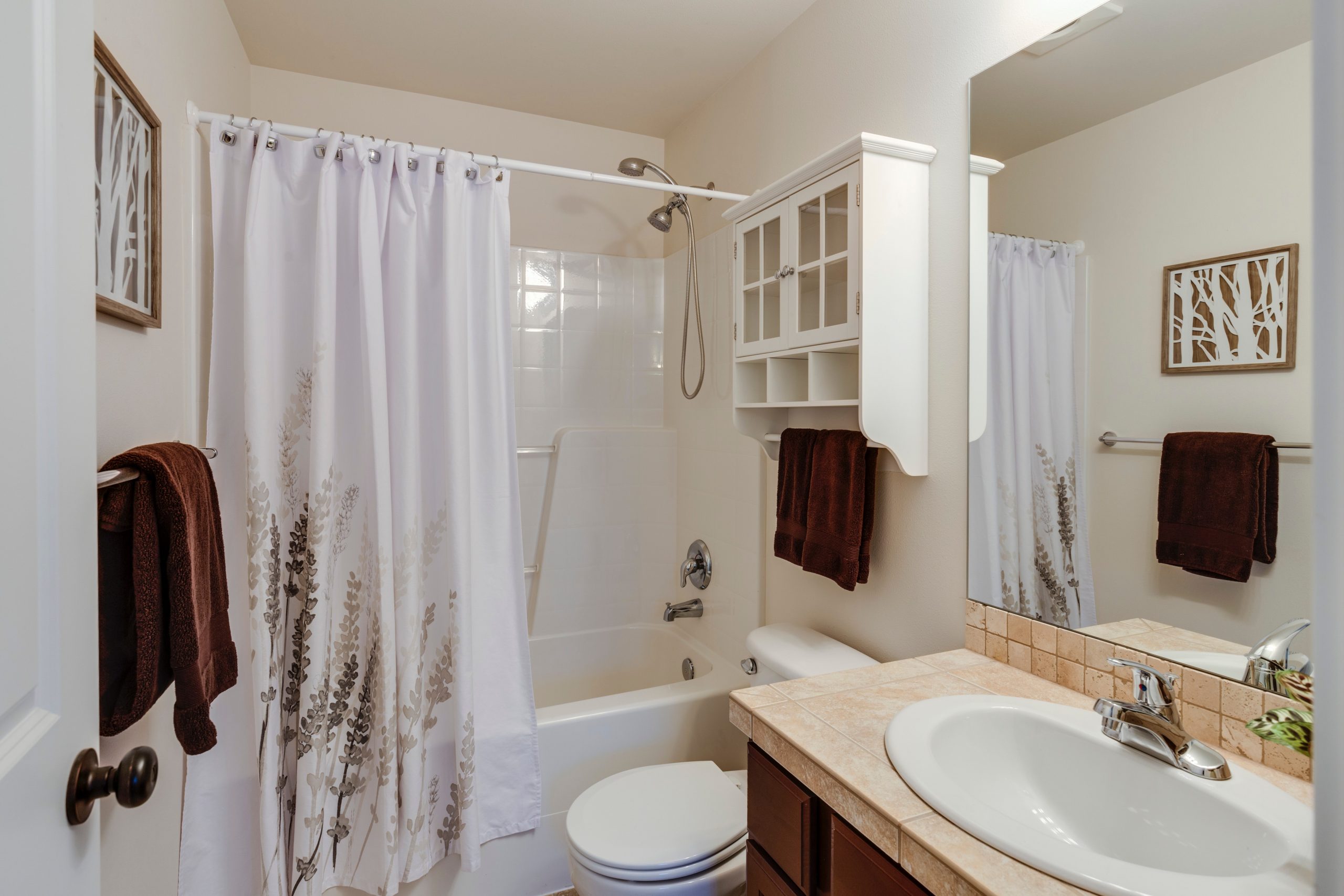
If you'd like a fancy glass shower door but don't have the money for it right now or would rather use that money on something more practical, like a heated toilet seat, remember that standard-sized glass shower doors may be added at any time. If this is the case, remember that you can always implement one thereafter. If you can't afford a shower door just yet, you can keep making do with a colourful curtain for the time being.
Don't tiptoe around the tile.
What tile size are you looking to buy? Larger tiles are more challenging to lay down since they are less forgiving, but they allow you to cover more ground in less time. You'll need smaller tiles with wider grout areas inside the shower to provide your feet traction, while larger tiles outside the shower are more stylish. Avoid using rugs altogether by covering your hard floors with mosaic tiles, which offer the same non-slip benefits as carpeting.
What do you want to do with your cabinets?
You'll need to make a decision about the cabinets before you can put the finishing touches on your DIY bathroom remodel. In the first place, you should check for water damage by thoroughly inspecting the inside of each cabinet. It's up to you to decide whether you want a new bathroom cabinet created to fit a certain piece of pre-cut countertop or if you want a new countertop cut to fit your existing cabinet if you need to replace the whole thing. If the cabinet is beyond repair, you'll have to make a choice between tearing it out and starting over.
However, if the cabinets were not damaged by water, it may be more cost-effective to repurpose the vanity by sanding it down and painting it with latex or oil paint.
Can you reuse older bathroom fixtures?
You may be tempted to get rid of all of the outdated fixtures in your bathroom, including that cream-colored toilet, but it could save you time (and money) to consider whether or not you can use that hue into your design. You can avoid the expense of a full appliance replacement by simply replacing one or two items, such as the toilet, with newer models in a more modern design and a lighter colour, such as almond or cream. You can use this to successfully combine the new with the old. The quality of the DIY work in such renovation is outstanding.
Consider Your Materials and Costs
Whether you plan to perform the work yourself or employ a professional, the size of your bathroom, the quality of the materials you intend to use, and your budget should all be taken into account before you start any substantial repairs.
Bathroom makeover ROI is affected by a lot of elements, but the primary one is the motivation behind the renovation.
If you have no plans to move in the near future, the modifications you are making to your home are likely being done for your own benefit. If this is the case, you won't see a monetary return on your investment so much as an emotional one, since the enhancement of your standard of living will be more valuable to you than money would have been. The greatest approach to obtain a return on an investment like this is to spend money on things that you love and enjoy. Among the many options available is the installation of a freestanding tub or a new shower complete with rainfall and massage showerheads.
Consider Building a Shower
You should treat yourself to a nice, long, soothing shower every once in a while. If you don't have the room for a tub or you just don't like taking baths, you can get rid of the tub and instal a wonderful walk-in shower instead. When you have a small bathroom or one with low ceilings, removing the big bathtub can make the room feel much more spacious and lovely.
In addition, a bathroom with a frameless glass door might offer the appearance of more space and light because there will be no visible door or frame to hinder the view. For stalls without windows, this is an ideal option.
Investing in a high-quality shower head is also highly recommended, as it is the single most important aspect in determining whether or not your shower experience is satisfactory. Converting your tub into a shower can save you money because you won't have to replace any pipes.
Consider Beautiful Surfaces
Bathroom remodelling is only half the fun when you get to choose the gorgeous surface materials. It's possible to completely transform the look of your bathroom by switching out the vanity top, hardware, wall tiles, and floor tiles.
The simplest method to make a bold design statement is to instal statement-making wall or floor tiles, or to put in a vanity that does the same. An eye-catching and one-of-a-kind contrast, like the kind a statement vanity can provide, may do wonders for your bathroom's design as a whole. A daring tile installation in an otherwise all-white bathroom may update the room while softening its clinical vibe.
Invest in high-end materials like Calacatta marble or inject an elegant pop of colour into your decor. It is as easy as picking out the right bathroom surfaces to create a beautiful feel in any room in your home.
Looking for bathroom renovation? Look no further. Hitch Property Constructions has you covered.
Consider the Perfect Toilet
It's not likely that picking the perfect toilet was the first thing on your mind when you started planning your remodel, but it's just as crucial as picking out the rest of the materials. Avoid being lazy here and slacking off. Because of this, you won't have to worry about paying for extra repairs or emotional distress down the future.
The most common type of toilet is a two-piece model, which consists of a seat and tank that are installed in separate locations. Even though the tank and the seat are meant to be one piece, there will be a seam between them. After some time, the seam could produce a soiled area that's hard to remove. Two-piece toilets are more cost-effective and easier to transport and set up than their single-piece counterparts.
While two-piece toilets are common, one-piece toilets are more common because of their convenience and convenience. In the same way that costs, tastes, and standards can all differ. One-piece toilets are not only cleaner (germs can't hide in the fewer cracks), but they also have a more refined and contemporary aesthetic.
Consider Upgrading Your Bathroom Lighting
The ambience of a space depends on its illumination, and the bathroom is no exception. There are numerous avenues open to you when planning the bathroom lighting scheme. There is a wide variety in pricing, designs, layouts, and sizing available in every given retail establishment.
The most common types of wall lighting are wall sconces and wall-mounted fixtures. You do, however, have a wide variety of choices, including ceiling lights, lights that attach to the mirror, and hanging lamps. There is a practically unlimited variety available, and each will breathe new life into your washroom.
It is feasible to create a beautiful new bathroom while sticking to your timeframe and budget. You can use our bathroom renovation checklist to ensure nothing important is overlooked during the renovation process.
Plumbing
The standard diameter for a home's drain pipe is one and a half inches. The quantity of filth and hair that ends up in there is unbelievable. The likelihood of a drain becoming obstructed decreases in proportion to the drain's size. Unless your bathroom's construction prevents it, you may want to consider expanding your shower's drain to a capacity that can accommodate water volumes of 2 inches. Changing to a 2-inch drain won't cost you much more money.
Further, if you reside in a region where winter lows often drop below freezing, you should never run your home's water supply pipes outside.
Lighting
Consider putting recessed light fixtures across the ceiling to increase illumination. You'll need to put in a new shower trim if you want to put in either one or two. If you put in a dimmer switch, you can adjust the bathroom's ambience to make it more or less relaxing. Consider whether you want the mirror in your bathroom to be mostly decorative or functional, and if you want the lighting to be primarily functional or decorative. When undertaking close-up tasks like applying makeup or shaving, having well-placed, bright light lights may be a huge help.
Medicine Cabinets
Do you have any plans to conceal your medication cabinet? This is a great way to save some square footage as compared to a standard depth vanity, and the cost of the extra frame is usually manageable. If this isn't an option, then you'll need to give your medicine cabinet a little more room to protrude from the vanity—about 4 to 5 inches.
Wall-Hung Toilets
These fixtures have recently gained in favour, and with good reason. The tank may be hidden behind the wall, thus they take up considerably less space and are now much more economical. A key consideration must be made, however, while using these specialised fixtures. If you ever decide you'd rather have a floor-mounted toilet, you'll need to modify the water supply to accommodate the different draining configuration of these units.
A Window in the Shower
This is a fantastic function, provided it is implemented well. Some considerations are as follows.
- In the interest of privacy, choose a frosted glass panel that may be opened to allow air circulation.
- The use of stone jambs is essential for making this area watertight.
- Water needs to flow away from the building, so make sure the sill is slanted downward and outward.
Because the screen is on the outside of the window, the handles are made of plastic so they won't rust, and the window still gives perfect privacy even when tilted open, I always make sure to order a tilt-and-turn window for the shower.
Shower Sills
It is essential that this space has the right slope into the shower, just like the windowsill. Choose a durable substance like stone or quartz if at all possible. When tiling the shower kerb, keep in mind that water can collect in the grout lines and seep through to the framing below.
Shower Floors
Because the grout lines are more spaced out between larger tiles, they can be more hazardous to walk on if they are not textured. However, larger tiles can be easier to traverse if they have a textured surface. The use of smaller tiles, especially those with a rough surface, increases traction and is the usual for shower floors, although the alternatives are practically endless.
Shower Bases
It is no longer necessary to get by with a plain beige prefabricated shower base. The shower systems I've been using the most lately are the modern ones with acrylic or porcelain bases, because they're so simple to keep clean and look great for a long time. Bear in mind that there are different options available to you when it comes to the shower floor.
Drawer Storage
It's possible you'll want to instal a vanity with drawers rather than doors for storage. To better access and organise your belongings, nothing beats a set of drawers. They can be enlarged and the piping rerouted such that they provide ample space for storing bulky objects.
Check out our range of Melbourne bathroom renovation here.
Shower or Tub?
Determine if you need a tub or just a shower by thinking about how often you use it. There are times when I have to remind my customers that they are not renovating their homes to resell them to someone else but rather to make them more comfortable for themselves. Even if you only expect to remain in your home for the next five years, investing in it for yourself will be a wise decision. Furthermore, there is no surefire method of forecasting what features of a product or service would be most attractive to future customers.
"Bathrooms are a more personal environment than kitchens," Snyder explains. Some of the questions I ask customers may seem intrusive, but it's important to get to the heart of the matter when creating a space for someone's family.
If the hot tub is used as an example, how many people can enjoy it at once? When you shower, do you do so alone? (If you answered no, it may be time to upgrade to a larger shower with many heads.) Is the existing ventilation adequate, and would you want a more private location for the restroom?
What is your current age? (This could be the most inward-looking enquiry of them all.) Will you be staying in the same house you're in now? If yes, how do you see your needs changing in the future? The design community has coined the term "ageing in place" to describe this approach. Do you think there'll be enough room in your restroom for us to get ready? In the field of design, the term "universal design" is used to describe the practise of creating spaces and products with the needs of people of varying ages in mind. Attractive grasp bars that can also hang towels are a good example of universal design. Lack of a kerb in a shower is another common example.
When planning out how you want your bathroom to work for you, you'll likely realise that everyone has distinct needs, despite the fact that the basic necessities are all there (toilet, shower, sink).
Lori Carroll, president of Lori Carroll & Associates in Tucson, Arizona, suggests thinking big when you're figuring out what your existing space is lacking. "Let's design your dream space," she encourages her customers. "Once the vision is established, value engineering can be done later. Despite the fact that it seems contradictory — the very opposite of starting on a tiny scale — doing so enables you to include all of the aspects that you want in the design from the start, as opposed to adding them afterwards."
Carroll suggests basing your choices on the characteristics you need and the budget you have at your disposal. You can save the supplementary goods on your wish list as prospective upgrades for when the project is farther along if you decide to do it in stages. Start with the basics, such the floor plan and the existing furniture and appliances.
The essentials will, of course, vary with the style of bathroom being updated. While you may devote your full attention to the design of your single kitchen, you may have several bathrooms in your home, each of which serves a slightly different purpose. Collaborative Design Architects principal Brian Johnson of Billings, Montana, says the master bathroom is the second most significant room in the house, behind the kitchen. Some people even go as far as to say that the kitchen is the most important room in the house. If you want to work in design, be prepared to enter a highly focused and specialised environment, where all the magic happens.
The complete bathroom, on the other hand, is often designated as the "family bathroom" for households with children and is thus designed with practicality rather than style in mind. Johnson claims that a kid that young doesn't care about the high-end finishes in the bathroom, such as the granite countertops and vessel sink.
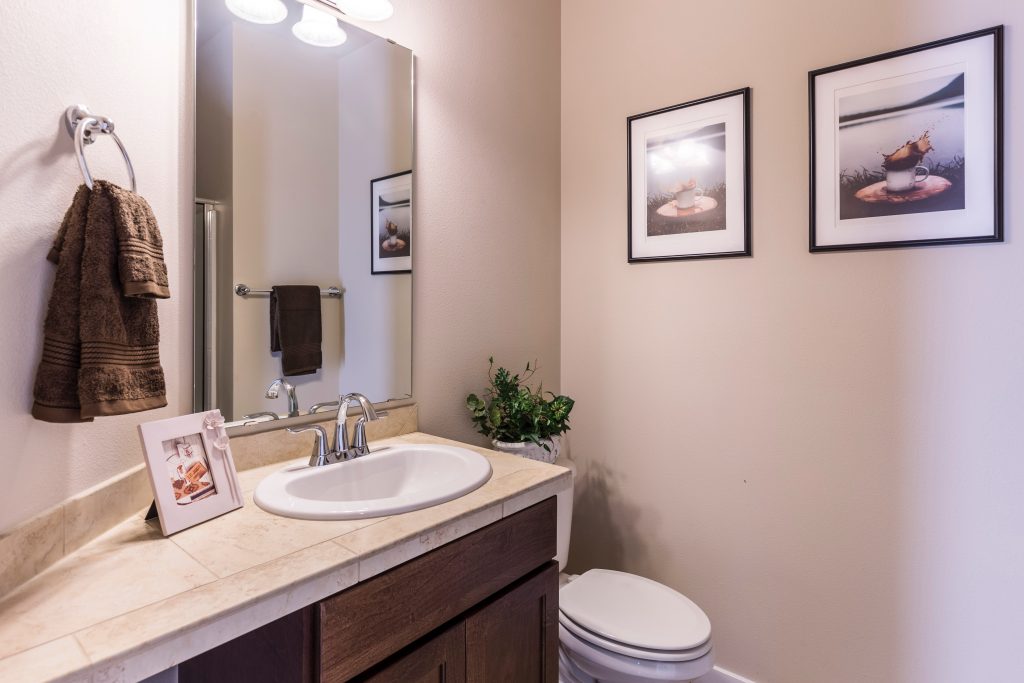
Three-quarter bathrooms, or those with a toilet, sink, and shower, are convenient in most situations. When money is tight, fancy amenities like heated floors, shower sprays, and elaborate tilework may not be possible, but these bathrooms can still come in handy. The powder room, often known as a half bathroom, is a smaller bathroom that may nevertheless make a big style statement. What is the adage about how great things can be found in unexpected places?
According to Johnson, the powder room is a great place to make a first impression because it gives party visitors a taste of the rest of the house. Concrete worktops, a glass vessel sink, natural stone tiles, and cabinetry that looks like furniture are all examples of expressive materials that may elevate a standard sink/toilet/mirror layout to the level of a work of art.
It's time to start thinking about ways to improve your bathroom that are both fun and doable, so start brainstorming and making plans right away. Make the most of it and have a good time!
Conclusion
We are aware of the sentimental worth you have on your home and would want to provide you with a facelift that will also improve its functionality. Working with our in-house design team, you may increase the value of your home during the remodelling process by creating a room that is both attractive and efficient. If you want to keep the air in your bathroom clean and prevent mould growth, you need to instal a fan. It's more expensive to get a fan that can also generate wind, but having one that does both is the most practical option. You can continue using a curtain until you save up for a shower door.
Within the shower, you'll want smaller tiles with larger grout spaces so that your feet don't slip. Laying larger tiles might be difficult because of their lack of give. Several factors influence return on investment (ROI), but the driving force behind the remodelling is the most important one. If you have no plans to sell your property soon, whatever improvements you make are probably for your own satisfaction. It can be cost-effective to convert your bathtub into a shower because you won't have to spend money on new plumbing.
Your bathroom's aesthetic may benefit greatly from the introduction of a bold and distinctive contrast, such as that offered by a statement vanity. Building a stunning new bathroom on a tight schedule and budget is entirely doable. During a bathroom makeover, use this handy checklist to make sure no steps are skipped. You should think about whether you want the mirror in your bathroom to serve a primarily decorative or practical purpose. A window in the bathroom's shower can be a wonderful addition if done properly.
Pick an operable frosted glass panel for some more privacy and fresh air. Keep in mind that water can gather in the grout lines when tiling the shower kerb. According to designers, bathrooms are more intimate than kitchens. Think about how often you'll be using the bathroom to help you decide if you'll benefit more from a tub or a shower. Extra room for large items can be created by expanding the drawers and rearranging the plumbing.
When assessing the shortcomings of your current setup, think on a grand scale. Get down to the bare essentials, such the layout of the space and the current furnishings and appliances. The fundamentals will naturally change depending on the type of bathroom being renovated. An argument may be made that the master suite's bathroom is the second-most important space in the house. Since guests of a party will likely use the powder room, it is important to make a good impression on them. A simple sink/toilet/mirror arrangement may be transformed into a work of art by adding concrete countertops, a glass vessel sink, natural stone tiles, and furniture-style cabinetry.
Content Summary
- You've clearly caught the DIY bug and are ready to take on the challenge of remodelling your bathroom because the new year has begun.
- Thoughtfully answering a few questions before you launch will help everyone involved get off to a smoother start.
- There are many methods for mold-proofing a bathroom, but whichever one you choose, it's important to have all of the equipment you'll need on hand before you begin.
- You must instal a fan in your bathroom if you care about the purity of the air there and about the prevention of mould growth.
- If you are considering about replacing your drop-in shower with a tiled one, you will need to do some homework.
- If you can't afford a shower door just yet, you can keep making do with a colourful curtain for the time being.
- Don't tiptoe around the tile.
- You'll need to make a decision about the cabinets before you can put the finishing touches on your DIY bathroom remodel.
- In the first place, you should check for water damage by thoroughly inspecting the inside of each cabinet.
- You may be tempted to get rid of all of the outdated fixtures in your bathroom, including that cream-colored toilet, but it could save you time (and money) to consider whether or not you can use that hue into your design.
- The quality of the DIY work in such renovation is outstanding.
- The greatest approach to obtain a return on an investment like this is to spend money on things that you love and enjoy.
- It is as easy as picking out the right bathroom surfaces to create a beautiful feel in any room in your home.
- Consider whether you want the mirror in your bathroom to be mostly decorative or functional, and if you want the lighting to be primarily functional or decorative.
- Determine if you need a tub or just a shower by thinking about how often you use it.
- Start with the basics, such the floor plan and the existing furniture and appliances.
- While you may devote your full attention to the design of your single kitchen, you may have several bathrooms in your home, each of which serves a slightly different purpose.
- The complete bathroom, on the other hand, is often designated as the "family bathroom" for households with children and is thus designed with practicality rather than style in mind.
- The powder room, often known as a half bathroom, is a smaller bathroom that may nevertheless make a big style statement.
- It's time to start thinking about ways to improve your bathroom that are both fun and doable, so start brainstorming and making plans right away.
- Make the most of it and have a good time!
FAQs About Bathroom Renovation
Always tile the floor first if you want to achieve a high-quality finish that also provides a better barrier against water damage. This recommendation comes unanimously from the bathroom fitters.
The cost of labour, tile work, and plumbing is typically the component of a bathroom remodel that is the most expensive. Despite the fact that these areas are superior, there are additional aspects such as changes to the layout, shower, etc. that can drive up the cost according to your preferences.
The encouraging news is that, in the vast majority of instances, it is doable. How difficult is it to change the location of plumbing? It may seem daunting to those of us who aren't plumbers, but it's quite possible to move pipework and fittings around in most cases, so you shouldn't assume that the positions of your bath, toilet, and basin are etched in stone.
Is tiling required behind a toilet, or is this not necessary? Tiles are not required in every situation; however, they are required in locations where the wall must be protected from water ingress due to dampness or splashes.
There is not a single room in the house other than the bathroom that requires more labour or costs more money to remodel than this one does. Remodeling a bathroom presents a unique set of challenges due to the fact that it is typically one of the smallest residential rooms and contains a complex plumbing system, high levels of humidity, intricate electrical wiring, and elaborate design schemes.
