

Regrouting your tiles is a possibility even if you have been diligent about keeping up with grout upkeep.
Staining or colouring the existing grout is the first thing you should try if you want to change the colour of your grout for whatever reason, such as boredom or frustration with the constant upkeep required by white grout. This is a great alternative if you're bored with your current decor or just tired of cleaning the white grout. This will change the colour of the grout, but it will save you the trouble of having to remove it and reapply a new colour. Darker grout is prefered by many homeowners because it is more visually appealing and simpler to keep clean than its lighter counterpart, especially when used with lighter tiles. That said, you shouldn't ignore your regularly scheduled maintenance just because of this. We have a wide range of property Melbourne regrouting services at Hitch Property Constructions.
Most often, this is due to the fact that tiles and grout were installed in a damp area of the home, like the bathroom or mudroom, but it may happen anywhere. Aside from being aesthetically unpleasing, mould also offers serious health concerns to anyone who comes into contact with it. If mould and mildew cleaners don't do the trick, you'll have to regrout the affected area.
Mould can weaken your grout and ruin your tiles if you let it develop there. If you don't get rid of it, you may run into more significant problems down the road. Grout is used to seal the joints between tiles and to adhere them to one other and the subfloor. Mouldy grout is an issue that must be fixed immediately. If you have chipped tiles or chunky or cracked grout, it may be time to regrout your floors. If not remedied, it can spread and eventually destroy the floor or tiles.
Home Repair FAQs
When Should You Regrout Your Tile? Grout doesn't last forever. You can expect a lifespan between eight and sixteen years. Its lifespan will vary depending on how you treat your shower.
Get a Fresher Look
In addition to the protection it offers your home, your shower tile's grout is cosmetic too. Over time, grout gets dingy and discoloured, making your bathroom look dated and dirty. Regrouting is one of the fastest ways to make your shower look bright and new.
The short answer is, “no.” You cannot put new grout over old grout. With regard to filling in holes and cracks on the surfaces in our homes, we might compare grout repair to drywall repair. For holes in drywall, we would simply purchase spackle, and fill the hole in.
You may not need to remove most of the grout. It may be possible to apply new grout over old grout without removing it at some places. However, where the grout has deteriorated heavily through crumbling or become too dirty, it is best to remove it before applying new grout.
If your grout is a few years old, it's normal that in time, it will crack. This results from a few key causes: Exposure To The Elements. A common problem for wet areas in the home, like the bathroom or shower, grout tends to crack here as a build-up of water slowly eats away at the material.
How Often Should You Regrout The Tile In Your Shower?
The daily shower rate in Australia is 62%. Everywhere in the United States, without a doubt, people take showers frequently. Is grout cleaning something you do on a regular basis when you take a shower?
It's easy to ignore. Nonetheless, there is always the risk of incurring additional expenses. If you don't replace the grout in your old shower, you risk mould growth and water damage in the future.
However, when is the best time to re-grout your shower tiles? Contrary to common perception, grout does not last forever. In this article, we'll discuss when it's time to replace your grout and how to keep it in good condition in the meanwhile. Looking for regrouting services Melbourne on property maintenance? Look no further! Hitch Property Constructions has you covered.
If you have extremely discoloured grout, When years of mildew, dirt, stains, and mould have settled into your shower's grout, it's time to call in the professionals for a thorough deep cleaning. We use a low-pressure, high-temperature cleaning technique in conjunction with a pre-treatment that will loosen and remove any stain from the item's surface. If our top-notch cleaning methods don't get rid of every stain in your shower, you'll know it's time to regrout.
Why Should Tile Be Regrouted?
Grout in a shower acts as a padding between tiles. The steam and warmth from the shower will cause the tiles to expand. The grout in between the squares of ceramic or porcelain prevents them from smashing into one another.
Grout, although its secondary function, is a necessary component. With the help of your tiles, it creates a watertight seal that diverts rain away from your walls and down the drain.
Grout, however, degrades over time and loses some of its original qualities. Water can seep through the cracks between the tiles and enter the wall. The water damage will start right away.
Without prompt attention, mould and mildew might start to form in the wall cavities or under the tiles. A costly repair fee may come as a harsh shock if you discover that the damage was brought on by old grout. Unless the damage is severe, it is highly unlikely that you will discover water or mould problems until it is too late.
When Is It Time To Regrout Your Tile?
To a certain extent, grout has a finite lifespan. An average human lifespan is between eight and sixteen years. The lifespan of your shower is directly proportional to the level of maintenance you provide it.
You probably have no idea how long ago your grout was installed. Nothing wrong with that. The wide range of possible lifespans makes this unusable as a general guideline. You should instead do visual checks on a regular basis. Grout's gleaming white colour won't stay that way for more than a few years. Eventually, the grout will lose its original colour due to water stains and other pollutants.
In addition, eliminating these won't be a breeze. It's possible that cleaning products can revive the fading colours, although this is far from guaranteed. Discoloured grout is nonetheless functional, despite its ugly appearance, in most applications. Hitch Property Constructions offers a wide range of home renovation services in the Melbourne area.
There are two obvious signs that the tiles need to be regrouted. Mould is the primary problem. Mould that appears to be growing on the grout may also be developing behind it. It should not be hard to accomplish. If the grout crumbles when lightly scratched with a fingernail, it's old and has to be replaced.
Grout Protection Tips
Do you recall that the amount of time grout lasts depends on how it is cared for? Here are some tips for keeping your grout in good condition for as long as possible.
Even though showering creates an impermeable seal thanks to grout, you still can't escape the heat and moisture. This is because grout disintegrates under high temperatures and high humidity. However, you do have some say in the matter.
While you're under the shower's steam, remember to turn on the bathroom's exhaust fan. The steam will be released and the bathroom will be more ventilated as a result. Keep the fan running for a few minutes after you get out of the shower to dry the room out.
Is it your intention to take the next available action? Towel off the shower tiles to get them clean. Although your exhaust fan is powerful, it will not be able to eliminate the water droplets that develop on the tiles and grout after a shower.
The last thing you need to do is to neglect keeping your shower clean. On occasion, this will get rid of the discoloration, but more importantly, it will prevent the mould and mildew that would otherwise eat away at the grout.
You shouldn't use either acidic or basic cleaners on your grout because of the potential for harm. You should thus avoid using bleach and other all-purpose cleaning solutions. They may be handy, but in the end they won't help anyone.
Sealing Shower Tile Grout
Regrouting shower tile is a job best left to the pros. In addition to being difficult, it is also very time-consuming. Most homeowners lack the expertise to regrout tile appropriately, which can lead to more problems down the road. However, have you ever used a grout sealer before? Maintenance of the existing grout should be performed once a year to keep it looking and functioning like new for as long as possible.
Whatever the case may be, please define grout sealer for me. Your grout will retain its good looks and functionality for a very long time because of the water-resistant coating. You can avoid having to seal your grout annually if you know what to check for in terms of wear and tear. Indicators that grout needs resealing include discoloration, sagging, and chipping.
To get the best results from the sealer, you should clean the grout first. Mold, mildew, and other contaminants could be kept in the building if this isn't done.After cleaning, the grout must be allowed to dry thoroughly. Depending on your preference, sealer can be applied using a roller, a spray, or a brush. Your chosen grout sealer should come with detailed instructions on how to apply it properly. It usually only requires you to apply sealant to the grout.
The new seal needs at least 24 hours to firm, so you shouldn't take a shower for at least that long after it's been applied. You might test the efficacy of your seal by sprinkling water on the grouted area. It's possible that some of the grout will soak up the water, in which case you'll need to give that area another go.
The Importance Of Grout
Tiles can't be set up properly without grout. This method evens out the tiles' sizes and reduces the damage that could be caused by flexing or settling floors. Grout is typically used in bathrooms to cover the joints between tiles and prevent water seepage. In addition to keeping your bathroom watertight, this also protects the substrate.
Grout can disintegrate and mould and mildew can thrive if water is present. There will be a number of issues in the bathroom, like cracked tiles and an uneven floor, if the grout is not properly maintained and eventually cracks. Knowing when the grout between your bathroom tiles needs to be updated is crucial if you want to preserve the condition of your floors in good repair.
Inspecting Grout For Damage Signs
Grout is known for its durability and can endure for a very long period provided it is done correctly and that there is no movement in the floor; however, it is only the case if it is not disturbed. As there is no hard and fast rule for when grout should be replaced, it is up to you to keep a close eye out for any symptoms of wear and tear.
Check the grout between the tiles in your floor or wall for damage, such as cracks, gaps, or peeling. It is crucial to fix broken grout as soon as possible to prevent water damage from spreading under the tile and damaging the wall or flooring.
Discoloured grout, whether from water stains or dye absorption, is completely natural. Regrouting your bathroom tiles for purely cosmetic reasons is unnecessary unless you plan on dramatically altering the room's design. Tile grout that has grown discoloured can be cleaned fast and easily using a solution of vinegar and hot water. Stains are easier to remove with a brush that has particularly coarse bristles after being broken down in this way.
If you want to save time and money in the long run, it's a good idea to know when to call Groutsmith OKC and have them assess your bathroom tiles, even though you probably don't give them much thought. In the event that you have a problem with the shower tiles in your bathroom and put off replacing it, the problem will likely worsen and cause you more trouble in the long run. Having a professional inspect the tiles in your bathroom is a good idea if you see any loose ones or mould development that is tough to clean up.
How To Regrout Tiles In A Bathroom
Now that you know when you should regrout the bathroom tiles, you should get around to doing it. If you want your regrouting to go smoothly, use these tips.
Step 1: Remove The Old Grout
A grout saw is needed to cut through the old grout and remove it. Some grout saws have abrasive coatings added to the blade, and others have teeth made expressly for the task of removing grout. Careful manoeuvring in the grout is required regardless of the method you choose to avoid breaking tiles.
Wearing goggles and a respirator with a half-mask will protect your eyes and lungs from the grout dust. After you have scraped out all of the old grout, vacuum the area thoroughly, giving special attention to the crevices and gaps left behind by the grout. Tiles in a bathroom should be cleaned of any mould or mildew using bleach, and then the surface should be allowed to dry fully before regrouting.
Step 2: Using The New Grout
Using pre-mixed grout is a great way to cut down on time and effort when doing most home improvement jobs. Add water to the powder in increments and stir until the mixture reaches the appropriate consistency in a mixing container. It's crucial to use a grout that has enough density to stay put in its container and not leak. Ten minutes after you've applied the new grout, you can continue on to the following stage.
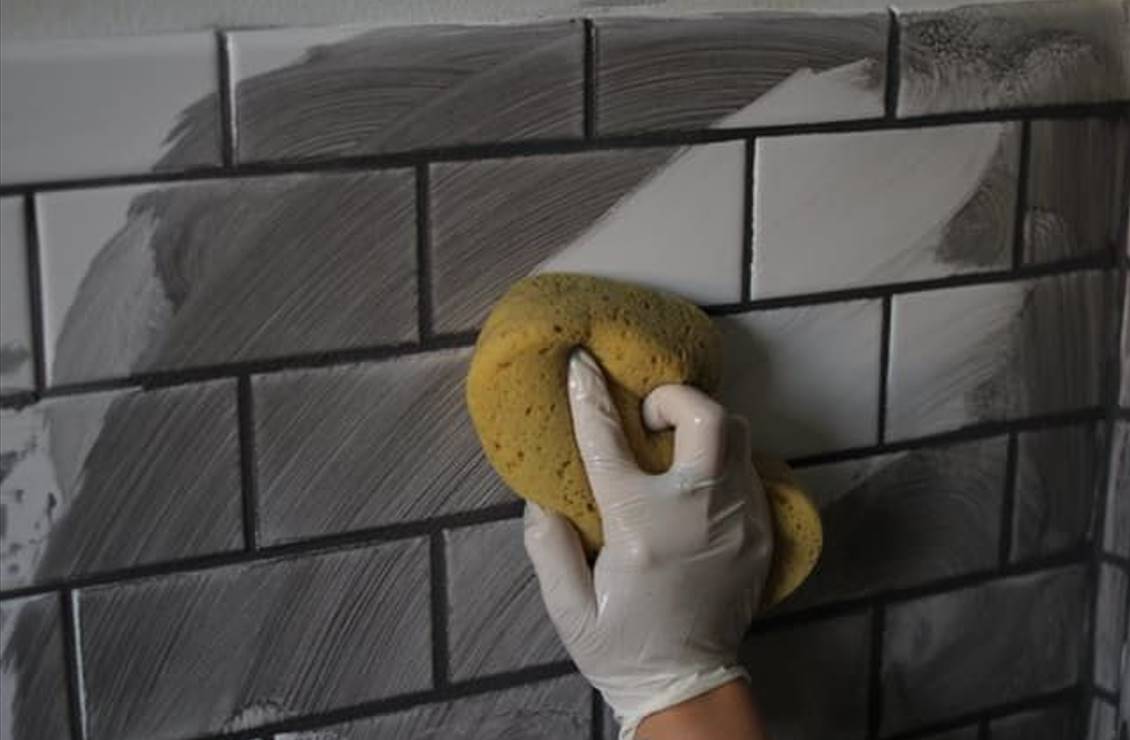
Use a rubber float, often called a grout trowel, to apply the grout in a diagonal motion to the bathroom tile. The grout trowel is used to press grout into the spaces between tiles after an event coat has been applied. Make at least three passes over the holes, and then wipe the grout trowel at a 90-degree angle to remove any excess. If there is any remaining grout residue, you may attain that flawlessly flush look by wiping it away with a damp sponge.
Step 3: Sealing The Grout
Grout sealing follows grout curing for 48 to 72 hours. Because we value simplicity over complication in most of our home improvement tasks, we strongly advise using aerosol spray-on sealers. Distribute the grout sealer evenly throughout the floor, beginning at the ceiling and working your way down. Wait about an hour for the first coat to dry, then apply a second coat with a much lighter spray of the sealer. If you'd want even more defence, a third and final coat is yours to apply. Grout is more resistant to the development of stains, bacteria, and mould and mildew when it has been sealed.
Knowing when your tiles need to be regrouted is crucial for maintaining the stability of your bathroom flooring. Thanks to the advice we've given you, we believe you'll be able to regrout your bathroom tiles and keep them looking great for years to come. At Hitch Property Constructions, we provide a wide range of home maintenance services.
Conclusion
There is a pressing need to address the problem of mouldy grout. Grout is used to binding tiles to one another and the subfloor and to seal the joints between them. Re-grouting your flooring may be necessary if you see any cracked or broken grout or tiles. If your shower's grout has been neglected for a long time, it will eventually become covered with mildew, filth, stains, and mould and need to be professionally cleaned. Combining a pretreatment and our low-pressure, high-temperature cleaning method yields excellent results.
Here are some ways to prolong the life of your grout's attractive appearance. Maintaining the current grout once a year will ensure that it remains in pristine shape. It is important to track how old the grout in between your bathroom tiles is. Instructions for using grout sealer should be clear and comprehensive.
The building could be contaminated with mould, mildew, and other allergens if this isn't done. It's important to inspect the grout between your tiles for signs of damage, including cracks, gaps, and peeling, to ensure that your floor or wall stays in good condition. Grout discoloured due to water stains, or dye absorption is quite normal. Cutting through the old grout and removing it requires a grout saw. After 48 to 72 hours, the grout is ready to be sealed.
Beginning at the top of the room and working your way down, apply the grout sealer to the floor tiles. After the first layer has dried for an hour, apply a second coat using a light sealer spray.
Content Summary
- Regrouting your tiles is possible even if you have been diligent about keeping up with grout upkeep.
- Staining or colouring the existing grout is the first thing you should try if you want to change the colour of your grout for whatever reason, such as boredom or frustration with the constant upkeep required by white grout.
- This is a great alternative if you're bored with your current decor or just tired of cleaning the white grout.
- This will change the colour of the grout, but it will save you the trouble of having to remove it and reapply a new colour.
- If mould and mildew cleaners don't do the trick, you must regrout the affected area.
- Mould can weaken your grout and ruin your tiles if you let it develop there.
- If you have chipped tiles or chunky or cracked grout, it may be time to regrout your floors.
- This article will discuss when it's time to replace your grout and how to keep it in good condition.
- If you have extremely discoloured grout, When years of mildew, dirt, stains, and mould have settled into your shower's grout, it's time to call in the professionals for a thorough deep cleaning.
- Grout in a shower acts as padding between tiles.
- The steam and warmth from the shower will cause the tiles to expand.
- Grout, however, degrades over time and loses some of its original qualities.
- The lifespan of your shower is directly proportional to the level of maintenance you provide it.
- You probably have yet to learn how long ago your grout was installed.
- There are two obvious signs that the tiles need to be regrouted.
- Here are some tips for keeping your grout in good condition for as long as possible.
- While you're under the shower's steam, remember to turn on the bathroom's exhaust fan.
- Keep the fan running for a few minutes after you get out of the shower to dry the room.
- Although your exhaust fan is powerful, it will not be able to eliminate the water droplets that develop on the tiles and grout after a shower.
- The last thing you must do is pay attention to keeping your shower clean.
- Whatever the case may be, please define grout sealer for me.
- You can avoid having to seal your grout annually if you know what to check for in terms of wear and tear.
- To get the best results from the sealer, you should clean the grout first.
- After cleaning, the grout must be allowed to dry thoroughly.
- You might test the efficacy of your seal by sprinkling water on the grouted area.
- In addition to keeping your bathroom watertight, this also protects the substrate.
- There will be some issues in the bathroom, like cracked tiles and an uneven floor, if the grout is not properly maintained and eventually cracks.
- Knowing when the grout between your bathroom tiles needs to be updated is crucial if you want to preserve the condition of your floors in good repair.
- Grout is known for its durability and can endure for a very long period, provided it is done correctly and there is no movement in the floor; however, it is only the case if it is not disturbed.
- It is crucial to fix broken grout as soon as possible to prevent water damage from spreading under the tile and damaging the wall or flooring.
- Having a professional inspect the tiles in your bathroom is a good idea if you see any loose ones or mould development that is tough to clean up.
- Now that you know when to regrout the bathroom tiles, you should get around to doing it.
- If you want your regrouting to go smoothly, use these tips.
- A grout saw is needed to cut through the old grout and remove it.
- After you have scraped out all of the old grout, vacuum the area thoroughly, giving special attention to the crevices and gaps left behind by the grout.
- Add water to the powder in increments and stir until the mixture reaches the appropriate consistency in a mixing container.
- Ten minutes after you've applied the new grout, you can continue to the following stage.
- Use a rubber float, a grout trowel, to apply the grout diagonal to the bathroom tile.
- The grout trowel is used to press the grout into the spaces between tiles after an event coat has been applied.
- Grout sealing follows grout curing for 48 to 72 hours.
- Because we value simplicity over complication in most of our home improvement tasks, we strongly advise using aerosol spray-on sealers.
- Distribute the grout sealer evenly throughout the floor, beginning at the ceiling and working your way down.
- Wait about an hour for the first coat to dry, then apply a second coat with a much lighter sealer spray.
- Knowing when your tiles need to be regrouted is crucial for maintaining the stability of your bathroom flooring.
- Thanks to the advice we've given you, you'll be able to regrout your bathroom tiles and keep them looking great for years to come.
