

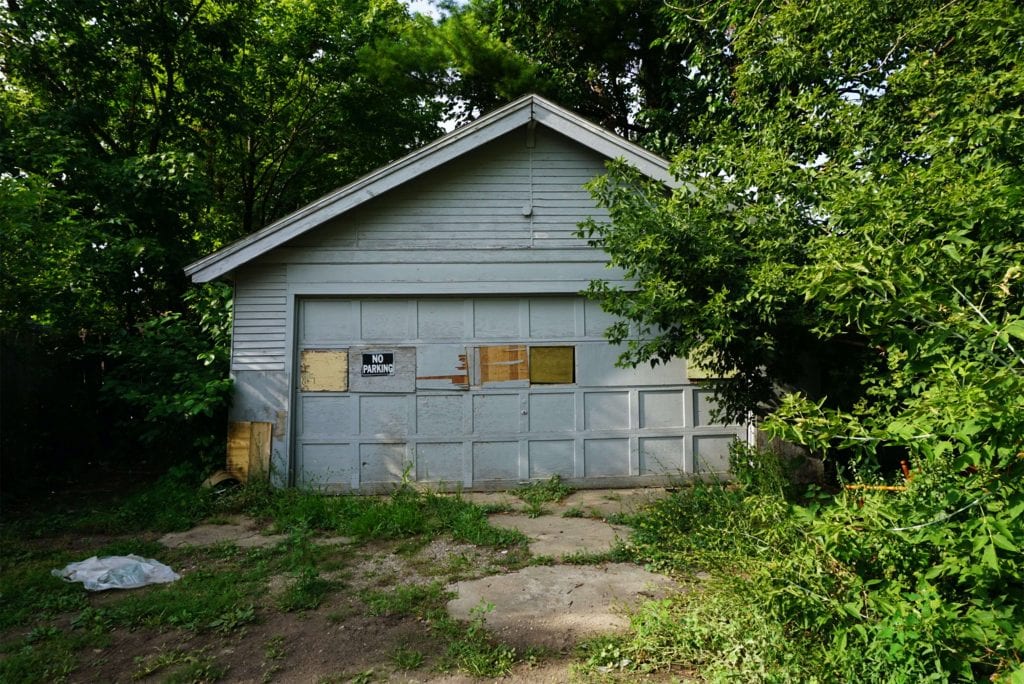
Most garage-owners park their cars within their garages come rain or shine. Some people use their garages almost exclusively as a storage space.
However, if you don't own a car or don't mind leaving the one you do own parked on the street, and if you don't need the extra storage space (you already have enough closets and a basement), you may be able to make good use of your garage by giving it a makeover.
Especially if you don't mind leaving your existing vehicle outside. Hitch Property Constructions has the biggest range of garage renovations in Melbourne. Check it out.
In order to get started on any garage remodelling job, it's essential to get rid of any unnecessary items lying around. (If you're being honest, you probably have a good deal of it already.)
However, once you've finished it, you have a lot of options for what to do with your garage. Take a look at some of the ideas I have for renovating your house.
New Garage Flooring
The appearance of your garage and the activities that take place there are greatly affected by the flooring you choose. Now that we know there is a lot to pick from, let's discuss some of the more common options.
As most garage floors are made of concrete, you can leave them as-is if that's what you desire. However, you should have it resurfaced as soon as possible if there are any cracks or other damage. In addition, while concrete in its natural state is very dull and unattractive, it can be given a splash of colour and made to look more vibrant and lively.
Concrete's susceptibility to staining is one of its major flaws. You can permanently remove ugly stains from your garage floor by applying an epoxy coating.
Epoxy-coated floors are great for garages where homeowners perform maintenance on their automobiles because lubricating oil and grease won't stick to or seep into the surface. Did we mention how nice it looks too?
It's likely that you'll have to replace the flooring in your garage entirely if you plan to convert the space into a new room. Still, if you're only looking to freshen things up a bit, you can decide to update the garage's flooring instead.
If you want to rapidly tidy up your garage before putting it up for sale, adding polished concrete flooring will deliver a high sheen at a low cost. Due to the high labour requirements of polishing concrete, the high expense of hiring a professional may deter some from even attempting the task.
Rubber flooring is a good alternative for do-it-yourselfers who want to update the look of their garages without hiring professionals because of how simple it is to instal, maintain, and replace if damaged.
Moreover, you can park your car on foam floor mats if you so choose. This will protect the concrete floors in your garage while providing a new look for your space.
It's not the case that these are the only options open to you. Tile, hardwood, or carpet are all viable options for garage flooring, just as they are in the rest of your homes. How you want to put the room to use will determine the flooring material you select. You may learn more about garage flooring options and their benefits in one of our older posts.

Paint the Walls a New Color
When you're done updating the floor in your garage, you may choose a new paint colour to go on the walls. Ideally, it would blend in with the flooring. If you need help giving your home a new coat of paint, Hitch Property Constructions is here to help.
You should probably think about replacing your concrete walls with new ones. This allows you to insulate your garage as well as personalise it to meet your needs. Specifically, in terms of the insulation.
Add Insulation
Insulation is important whether your garage is attached or detached. The walls, flooring, and ceilings of your garage may be shared with other rooms in your house if your garage is attached to your house.
It will be difficult, if not impossible, to maintain a comfortable temperature in your garages if heated or cooled air can easily escape.
Additionally, if the walls of your garage are not insulated, it will have an effect on the cost of your monthly energy costs. Your home's heating and cooling systems will have to work significantly harder to achieve the proper temperature if conditioned air is allowed to escape.
Your electric and heating expenses will go up since they will take more energy to keep warm and safe from the weather.
What, though, if your garage is detached from the house? If you insulate your walls, you won't notice a difference in the indoor temperature or your monthly energy bill.
That is not to say that insulation is unimportant. You will keep storing your vehicle inside the garage since you do not feel comfortable leaving it outside in the harsh weather. To have shelter from the elements is crucial.
If you want to use your garage as a living space, you must insulate its walls. Garage dwellers who don't invest in wall insulation might as well spend the winter outdoors.
Besides the garage's current temperature, you should ponder about the roof's condition before deciding to insulate the garage. Adding insulation to a roof in need of repair is a band-aid fix at best.
Getting a new roof from a local roofing company should be a top priority if your current one is exhibiting signs of age and wear and tear.
Get an Insulated Garage Door
When discussing how to insulate walls, people often overlook the garage door. Your garage door, which can take up a whole wall if it isn't insulated, is a potential structural weak spot in your garage.
We are relieved to know that some models of steel garage doors come with foam insulation, which helps keep out pests and other unwanted visitors. Steel's energy efficiency is far higher than that of wood or aluminium, for example.
Loft Your Garage
One interesting garage renovation idea is to construct a loft inside the garage. That way, you can keep your vehicles covered in the garage while still having plenty of room for other things. Picture an airy, well-lit, and easily-navigated attic.
Those in need of extra space will appreciate the versatility of a garage with a loft. You can furnish the lofted area as an extra bedroom, office, or living area. The potential uses for a garage with a loft are practically limitless.
Install Windows on Your Garage
There may be no windows or other ways to bring light into your garage. Working on cars or using a garage as a temporary workshop is dangerous. Put in windows in your garage; they're a must-have.
Garage windows let in natural light and allow you to control the temperature and humidity of the room. You can let in some air by opening the window. Avoid worrying about the garage getting too stuffy.
Improve the Lighting
Keeping on the subject of light, if you plan on spending any time at all in your garage, you'll need to instal bright lights. The lack of proper illumination makes your garage unusable after dark.
Another option is to use lights that turn on when they detect motion. They turn on automatically when someone enters the garage. The addition of this to your garage is both novel and practical.
Modifying the garage's lighting is a simple and inexpensive approach to give the area a facelift. When used with artificial lighting, a combination of accent, ambient, and utility lighting can create a wide range of effects.
For instances when you want to show off your car to guests, you can use accent lighting, while ambient lighting is better suited for when you want to use the garage as a place to relax (pool tables, etc.).
It's worth considering how to let in more natural light if you want to transform your garage into a comfortable office environment.
Convert Your Garage into an All-New Room

Besides serving as a place to park your car or store your belongings, the garage has many additional potential uses, some of which have already been mentioned (s). It might be used as a lounge, bedroom, workplace, or even a workshop, thanks to its adaptability. However, you should also plan on doing a few extra things to convert your garage.
If you want to turn your garage into a bedroom or office, for instance, you won't be able to finish the renovation project unless you instal electrical wiring.
Similarly, if you want to set up a workshop, the renovation of your garage won't be finished until you construct a workshop. Besides watching TV or using the computer, what else could you use it for?
More extensive modifications, like a bar or a gym, may necessitate the installation of a water connection from your home to your garage.
It is exceedingly unsafe for someone who has not got the proper training to alter water and electric cables without the necessary permissions. If you need assistance with any of these tasks, please hire a professional.
Costly expenses, such a car lift, are necessary for garage auto maintenance and repair. Changing your own oil and making other minor repairs on your car might seem expensive now, but think of how much money you'll save over time.
Replacing your garage door
If the garage will be used as a workshop, perhaps the original doors won't bother you. You will almost probably need to remove the garage door and replace it with an exterior wall if you intend to use the space for something else, such as a bedroom or an office.
To achieve this, you will also need to remove the bulky device that spans the top of that region.
If Your Garage is Falling Apart, It’s Time for a New One
An out-of-date garage is a good candidate for replacement. This will not only add to the outside appeal of your home, but it will also allow you to create a garage that is perfect for your family's needs.
If you plan to utilise your garage as a living area, have a large family, or frequently have gatherings with a lot of guests, you may want to look for a property with a spacious garage. A house with a garage that is too small is trapped in the past and will be harder to sell. More space in the garage means more money in your pocket.
One of the great things about purchasing a brand-new garage is that you get to design it to your exact specifications. As a result, numerous doors will open for you.
When you need more headroom within your garage for a vehicle lift or a loft, a building with a hip roof is a great option to consider. A deck built on a flat roof garage is a great place to hold parties and get-togethers.
Keep your garage as storage
For a simple facelift that will still allow your garage to serve its primary function, all you may need to do is clean it out.
When you've finished cleaning out the garage, where many people's useless belongings end up being stashed, you may start thinking about storage options.
To make the most of the unused volume in your garage, you may want to consider installing a floating ceiling or otherwise expanding the usable area beyond the building's existing walls.
Are you prepared to take on a DIY Garage Makeover?
When it comes to improving the value of your house, updating the garage is often at the top of the list. Getting rid of the clutter, refinishing the floor, and adding some storage may transform the room into a place you'll want to spend time in. Locating the snow blower and weed whacker will be the bare minimum.
Here, we'll look at the pros and cons of hiring a professional versus doing the work yourself, so you can make an informed decision about which option is best for you.
While researching the best method, we took into account things like budget, output, and quality assurance. Consider how comfortable you are working independently as well.
Step 1: Junk Removal
It's likely that your garage is crammed full of "things." Items like sports equipment, lawn care supplies, and moving boxes from 2005 are just the tip of the iceberg. The two of us agreed that the best course of action would be to simply eliminate the problem altogether. Unless they are already mounted on a wall, you should move all of your belongings out onto the yard or driveway before beginning work on the floor coatings.
This will provide you the freedom to sell or donate unused possessions, get rid of junk, and temporarily store the rest.
We suggest tackling this project with a gaggle of close relatives or pals, and seeking the support of professional services like the renting of a roll-off dumpster if that proves to be necessary. Having a team of workers and a way to dispose of trash at your disposal can make this task much easier and faster.
Step 2: Preparation
Now that you have cleared out all of the old junk, you can begin preparing for the renovations you have planned. Hands-on, uncomplicated actions that may be completed in a few hours are required for the majority of this phase, along with possibly visiting your local hardware shop. Some of your primary duties will include the following.
- Any drain caps or floor cover plates that are rusted or otherwise in poor condition should be replaced immediately. You need to clean it up at the very least.
- You should change the seals on your garage door to make sure it is watertight and to give it a more finished look. They need to be replaced if they don't meet these requirements.
- Get rid of anything that isn't anchored to the floor, wall, or ground. Get rid of it if it hasn't already been installed. This can include the cabinets, the sink, and even the appliances.
- Change the schedule of your forthcoming home renovations. You'll need to free up a few days of time in your schedule to focus on this one thing.
- Your timetable should be used only for tasks directly related to the garage.
Step 3: Floor Coating
One of the most challenging decisions you'll have when remodelling your garage is whether to do the floor coatings yourself or hire a professional. Each one is useful in its own way, and both may be altered in a wide variety of ways.
Many home improvement stores stock epoxy garage floor kits for the do-it-yourselfer, and there are many helpful resources available online.
Professionally placed garage floor coatings not only have an unparalleled degree of excellence, but also make your task much simpler.
To save money, most people decide to tackle DIY projects like refinishing their garage floor themselves. Generally speaking, prices vary considerably depending on where in Australia you are located.
- Depending on the size of the area being coated, professional application of a decorative chip coating might cost anywhere from $5 to $7 per square foot.
- Professionally applied, solid-color epoxy coatings might cost $4.50 to $5.00 per square foot.
- DIY kits cost $200 to $800 for a 400 to 600 square foot area.
Do-it-yourself kits undoubtedly provide the most value in the near term, as they can lower costs by as much as fifty percent, but you also need to consider how long the product will survive. It's impossible to overemphasise the importance of the adage that you get what you pay for.
What the experts use is of higher quality and will last for longer. A noticeable improvement can be seen right away, and it will remain thus for a very long time. Finally, the total cost over time is nearly the same, and may even favour employing a professional.
You can get help from Hitch Property Constructions in a wide range of service areas with their specialised selection of home renovations.
Step 4: Adding Storage Space
You should build some cupboards and/or extra storage space in the garage before you start storing your lawnmower and golf clubs there.
This will significantly reduce the dreadful experience of searching for what seems to be the sole object you can't discover, as we stated at the post's outset.
Whether you should undertake the activity on your own or seek assistance from someone more experienced depends on your degree of knowledge and familiarity with the topic.
The assembly of a large number of storage shelves can be completed in a practical period of time and with only mild difficulty. Garage storage solutions like this make it simple to maximise vertical space for seldom-used goods like paint cans, lawn furniture, and more.
Once you have completed the aforementioned upgrades, you can return your items to the garage and relish in the space's newfound beauty. Consider how great it will be to have a designated spot to park your car, locate your old baseball glove, and quickly retrieve your lawnmower.
Garage renovations can be time-consuming, but the results are well worth the effort. It's in your best interest to explore the various ways in which you can make better use of your garage, which could lead to an increase in the value of your home, even if you don't currently use it to store your car or other possessions.
Conclusion
Most car owners always use their garages, no matter the weather. It's still possible to make use of your garage, even if you don't have a car, with a little creativity. Check out some of my suggestions for enhancing your home. Floors made of polished concrete will shine brightly without breaking the bank. DIYers interested in giving their garages a facelift might do well to consider rubber flooring as an option.
Flooring alternatives for a garage include tile, hardwood, or carpet. If you plan to convert your garage into liveable space, installing insulation in its walls is essential. Wall insulation has little effect on either indoor temperature or utility costs. Adding a loft to one's garage is a novel approach to garage remodelling. A quick and low-cost way to refresh the look of your garage is to replace the lights.
There is a broad variety of effects that may be achieved by the strategic use of accent, ambient, and utility lighting. If you plan on installing a bar or a gym as part of your home renovations, you may need to run plumbing from your house to the garage. Your garage has to be replaced if it is in disrepair. The garage was built in the 1950s and is in dire need of replacement. You should seek for a home with a sizable garage if you plan to turn it into a living space, have a big family, or have frequent get-togethers.
When prioritising home renovations, updating the garage is generally at the top of the list. If you want to maximise efficiency and quality, it might be advisable to hire a pro. The use of a roll-off dumpster can make this job much simpler and quicker. Drain covers and floor plates that are corroded or otherwise in disrepair should be replaced right away. Make a call on whether you want to DIY the floor coatings or hire a pro.
Epoxy garage floor kits are widely available at hardware and home improvement stores. Making improvements to a garage can take some time, but it's time well spent. Think about how convenient it will be to have a fixed area to leave your car, find your old baseball glove, and swiftly fetch your lawnmower. These kinds of garage storage systems make it easy to make the most of vertical space for storing items that are used infrequently.
Content Summary
- If you want to rapidly tidy up your garage before putting it up for sale, adding polished concrete flooring will deliver a high sheen at a low cost.
- This will protect the concrete floors in your garage while providing a new look for your space.
- You should probably think about replacing your concrete walls with new ones.
- One interesting garage renovation idea is to construct a loft inside the garage.
- Those in need of extra space will appreciate the versatility of a garage with a loft.
- The potential uses for a garage with a loft are practically limitless.
- However, you should also plan on doing a few extra things to convert your garage.
- An out-of-date garage is a good candidate for replacement.
- More space in the garage means more money in your pocket.
- For a simple facelift that will still allow your garage to serve its primary function, all you may need to do is clean it out.
- When it comes to improving the value of your house, updating the garage is often at the top of the list.
- Unless they are already mounted on a wall, you should move all of your belongings out Now that you have cleared out all of the old junk, you can begin preparing for the renovations you have planned.
- Change the schedule of your forthcoming home renovations.
- One of the most challenging decisions you'll have when remodelling your garage is whether to do the floor coatings yourself or hire a professional.
- You should build some cupboards and/or extra storage space in the garage before you start storing your lawnmower and golf clubs there.
- Once you have completed the aforementioned upgrades, you can return your items to the garage and relish in the space's newfound beauty.
- It's in your best interest to explore the various ways in which you can make better use of your garage, which could lead to an increase in the value of your home, even if you don't currently use it to store your car or other possessions.
FAQs About Garage Renovation
Drywall is typically considered to be the superior material for using when finishing the walls of a garage. It is simple to instal and increases the fire resistance of walls at the same time. You do have another choice for covering the walls of the garage, though. Oriented strandboard, more commonly known as OSB, may be screwed to the wall framing, but it is not necessary to tape and finish it.
As a general rule of thumb, if you plan to stay at your current location for at least five years, you should seriously consider redoing your garage from top to bottom. After you have decided what you are willing to do, the next step is to examine the overall structure of your garage and make any necessary adjustments. Check everything from the ground up and all the way up to the ceiling, both inside and out.
The kind of garages and storage areas where homeowners frequently hang their tools, shelves, trophies, and other items can benefit from using plywood for the walls of their garages. Plywood has a higher resistance to dents and damage than drywall does because of the additional strength it provides, whereas drywall is susceptible to these problems.
The concrete subfloor beneath epoxy flooring is shielded from damage caused by moisture, stains, grease, and cracks by the epoxy coating. Because there will be no need to clean the grout or the carpet, this will ultimately result in a significant reduction in the costs associated with cleaning and maintenance. In addition to this, the cost is very reasonable taking into account the extent of coverage that is provided for the time period purchased.
Assuming the original garage building is in sound structural condition, converting a garage is typically thought of as a relatively straightforward and speedy project to undertake. You should budget approximately three to six weeks for the completion of a standard single-car garage conversion. It will take that amount of time to convert it from a garage into a space that can be used for living.
